Should municipal authorities implement stricter regulations on street food and vegetable vendors to prevent obstruction of public streets and ensure pedestrian and traffic safety, consistent with Article 300A's protection of public property and the 74th Amendment's municipal governance principles?
Should cities enforce stricter regulations on street food and vegetable vendors to prevent street obstruction and improve pedestrian/traffic safety while protecting public property?
Community engagement on this question reflects the ongoing tension between formalization of street commerce and the livelihoods of informal vendors—a critical issue affecting millions across Indian cities where street food and vegetable vending represent both cultural identity and economic survival.
Why this matters
The resolution directly impacts urban mobility, pedestrian safety, vendor livelihoods, and municipal revenue, while testing how cities balance Article 300A's property protection with the constitutional rights of informal workers and the 74th Amendment's accountability to residents.
Core arguments
Stricter vendor regulations would reduce street obstructions, improve traffic flow, and decrease accident risks—particularly beneficial for elderly pedestrians, persons with disabilities, and emergency vehicle access in congested areas.
Formalized regulation enables municipalities to better enforce hygiene and food safety standards, protecting public health while also streamlining taxation and licensing, leading to increased municipal revenue and more planned public spaces.
Well-designed regulations with designated vending zones can coexist with vendor welfare through proper location allocation, reducing conflicts between safety objectives and informal sector employment.
Key concerns
Aggressive enforcement without alternative livelihood support or affordable vending licenses will displace hundreds of thousands of vendors and their dependents, increasing urban poverty and pushing informal commerce further underground.
Stricter regulations disproportionately burden low-income vendors who lack capital for formal stall rentals or licensing fees, while affluent establishments receive preferential treatment, deepening economic inequality.
Enforcement often lacks transparency and is subject to corruption—vendors report arbitrary fines and confiscations without due process, making stricter frameworks risky without simultaneous accountability mechanisms and appeals procedures.
Community pulse
100%
In support
0%
Opposed
0%
Neutral
Projected impact
Improved pedestrian safety and street accessibility, but potential displacement of 1-2 million informal vendors without adequate transition support or alternative employment.
Increased municipal revenue from formalized licensing and reduced losses from obstruction, though offset by reduced consumer access to affordable food and loss of vendor income.
Better street cleanliness and waste management compliance from regulated vendors, though increased police enforcement may reduce willingness to report sanitation violations informally.
Key perspectives
Street Food Vendors and Families
We've fed this city for generations with affordable chaat and vegetables—if the government closes us down without giving us permanent vending spots or low-cost licenses, they're taking away our only way to feed our children.
Pedestrians and Commuters
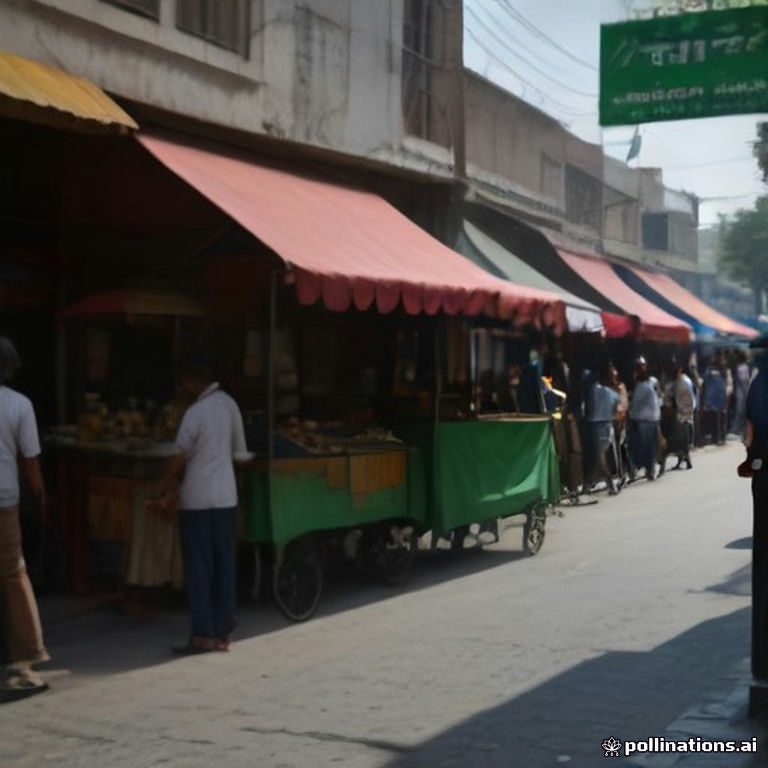
I appreciate that street vendors provide cheap food, but I'm tired of tripping over carts on the footpath and waiting in traffic jams because vegetable sellers block half the road during peak hours.
Municipal Administrators and Urban Planners
We need stricter rules and designated zones to make our cities safer and cleaner, but it only works if we invest equally in formal vending infrastructure and fair implementation without corruption.
Know the issue
Municipal street management affects public safety, vendor livelihoods, and urban accessibility
Balancing vendor rights with pedestrian/traffic flow is a core municipal governance responsibility
Street space allocation reflects tension between informal economy and formal urban planning
Quick facts
Street vendors serve millions of affordable meals daily across Indian cities
Unregulated vending can create bottlenecks, reduce sidewalk accessibility, and complicate traffic management
Article 300A protects public property; 74th Amendment mandates municipal planning and citizen participation
Think about: How can cities balance supporting informal vendors' economic participation with ensuring safe, accessible public streets for all residents?
Constitutional context
Potentially relevant authority
BBMP (Bruhat Bengaluru Mahanagara Palike)
Constitutional articles
Article 300A (Protection of property; right to manage public property)
Article 21 (Right to life; implied right to safe, unobstructed public spaces)
Relevant acts & rules
Street Vendors (Protection of Livelihood and Regulation of Street Vending) Act, 2014
Karnataka Municipal Corporation Act, 1976 / Karnataka Municipal Corporations (Amendment) Act, 2020
Bengaluru City Municipal Corporation (BBMP) Hawkers and Street Vendors Bye-Laws
This mapping is generated by AI for context and may be incomplete or wrong. The linked government publications are the authoritative text. Public Poll is not a government body and is not affiliated with, endorsed by, or operated by the Government of India or any state or local government.
Discussion
Ready to make your vote count?
Create your citizen account and vote on every question that shapes your city — right here.
Reading is open to everyone. Voting and asking need a verified account, which counts once on each question.
Should municipal authorities implement stricter regulations on street food and vegetable vendors to prevent obstruction of public streets and ensure pedestrian and traffic safety, consistent with Article 300A's protection of public property and the 74th Amendment's municipal governance principles? · PublicPoll

Discussion